Creative Writing & Mentoring
Creative Writing Workshops
Creative writing workshops are no new phenomenon. Still, they have become increasingly prominent in recent years, emerging as one way the next generation of writers can be introduced to the craft of writing. There was a time when generations of writers began their literary journeys by publishing in literary magazines, where editors would recognise their work and offer them the opportunity to publish a book. Literary competitions have always existed as well, and they remain an important and constant part of the path towards a literary debut.
When I was entering the literary world, both of these models were still present, and at the time there were only two literary workshops. I attended one of them, organised by the Centre for Young Creators, together with a small group of young writers, many of whom went on to become important figures on today’s literary scene. In that sense, education, the exchange of information and ideas, and the possibility of having a book published were all highly significant for my generation of writers. Today, this kind of work makes even more sense, given that specialised literary magazines are generally no longer readily accessible to young writers. More broadly, the times have changed, as has the way literature is perceived and the dynamics through which it reaches its readers.
Literary workshops involve an educational component: becoming familiar with authors who are important to contemporary literature, both from the local literary tradition and from translated literature; learning about the techniques involved in formally shaping a poem; exploring stylistic devices, melody and imagery; and considering different thematic approaches to poetry, among other aspects of literary practice.
I began leading literary workshops in 2021, when I realised that I wanted to pass on the experience I had gained both as a writer and as an editor, particularly through my work with poetry books. My experience in teaching also played an important role in this decision. I believe that a good educator and workshop mentor needs not only experience as a writer—and a body of work to show for it—but also teaching experience to adapt the approach to the particular group in front of them. The basic structure of a workshop programme is important, but so is an awareness of the participants’ previous experience and knowledge. Working methods therefore need to be adapted when necessary, so that each group can reach its full potential.
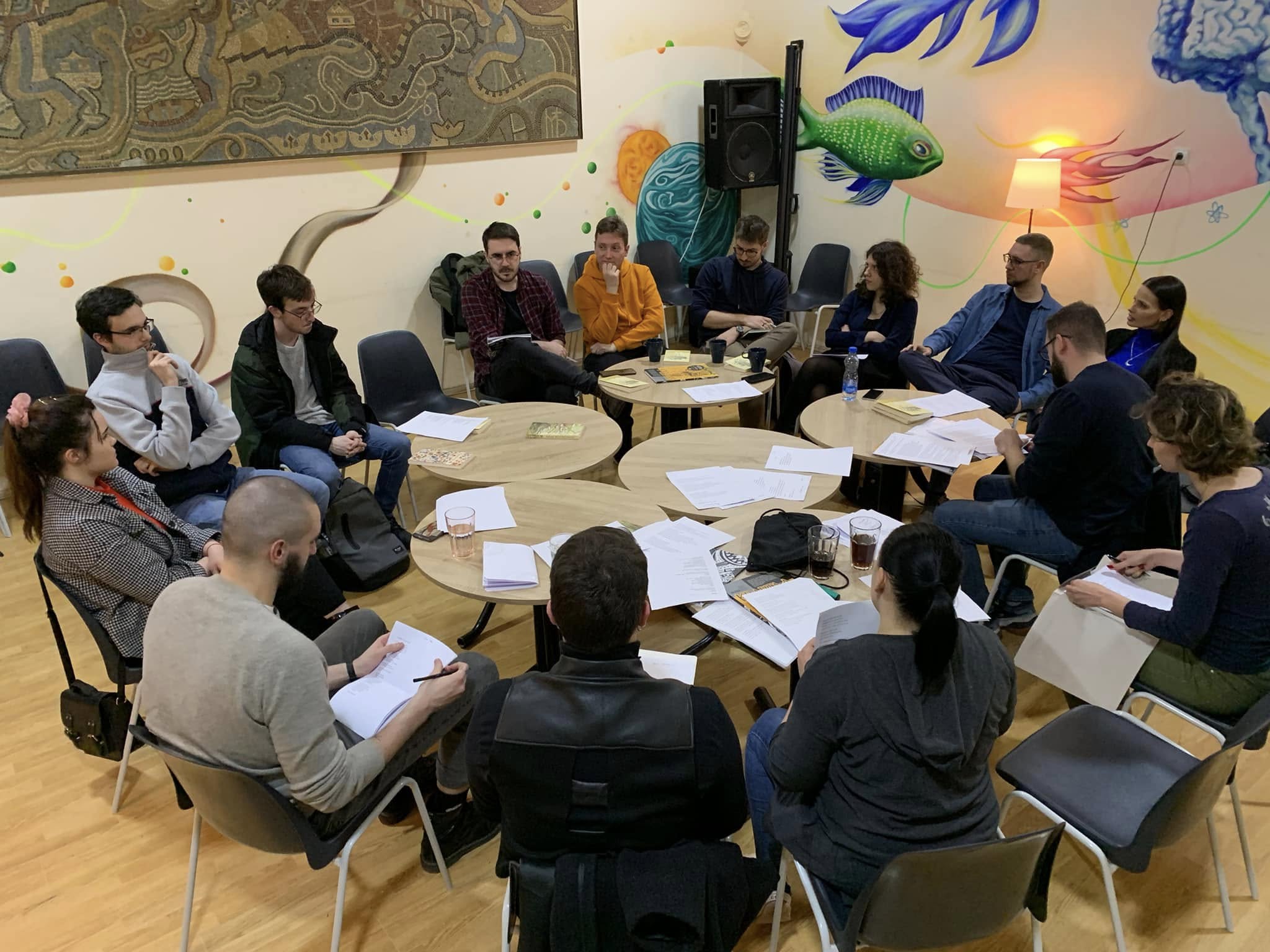
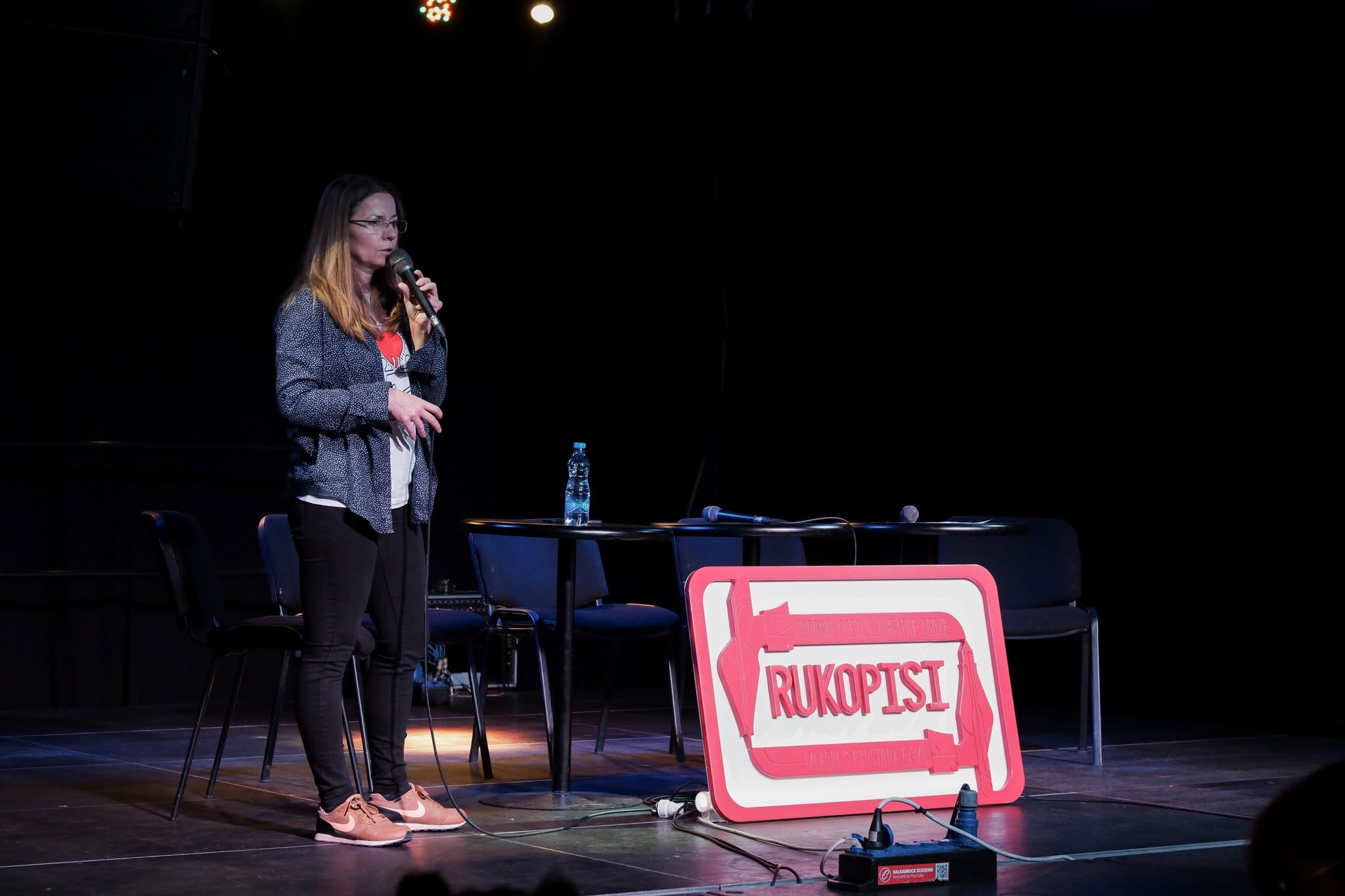
I currently lead three literary workshops, and over the past five years around sixty participants have taken part in them. One of the workshops is connected with Rukopisi, an anthology of poetry and short prose by young authors from the territory of the former Yugoslavia, of which I am the editor-in-chief. This is an in-person programme held at the Pančevo Youth Centre and lasting six months, during which participants work on both poetry and short fiction.
The second is Mala poetska radionica (Small Poetry Workshop), a four-month online programme devoted entirely to poetry. The third is a four-month online workshop devoted to short fiction, Kratke priče (Short Stories).
Participants who work in poetry have the opportunity, after completing the workshop process, to have their work published in the Najbolja poetry series of the Association of Writers and Literary Translators of Pančevo, which I founded in 2012. Today, it is one of the important poetry series in Serbia, and over the past four years, three of the authors and workshop participants I have worked with have received a total of four poetry awards.
This means a great deal to me, because I have had the opportunity to work with and help shape the voices of talented young poets who will soon become an important part of our literary scene.
Work undertaken with a clear purpose and a meaningful mission is always worthwhile, even when its results are not immediately visible. As writers, however, we should always keep in mind both the future and the literary legacy we are leaving to the generation that follows us.
Ongoing calls can be found in the NEWS section!
Jasmina Topić
Editorial Work — A Connection with the Workshops
As mentioned earlier, the literary workshops I lead are connected with Najbolja, a contemporary poetry book series published by the Association of Writers and Literary Translators of Pančevo.
The series has been publishing poetry collections since 2012, a year designated as its “zero edition”. Five titles were published that year, mostly by authors from Pančevo, including one of my own books. The publications served as an introduction to the series’ future publishing activities, with renowned Serbian poets Ana Ristović and Nikola Vujčić joining as guest editors. Vasa Pavković was credited as the series’ editor-in-chief.
Since then, the editorial team has expanded and changed over time, creating a distinctive dynamic within the series itself. This evolution has also demonstrated how important we consider the close editorial work between an editor and an author, and the careful attention given to the text throughout the process.
Over the past few years, I have taken the lead in running the series, serving as editor-in-chief and coordinating activities related to Najbolja within our Association. I have edited or co-edited several titles, including Bojan Savić Ostojić’s Stereorama, Stefan Stanojević’s Napad panike (Panic Attack), Stefan Kirilov’s Fajront u klubu 27, Uroš Đorović’s Uriel, Marko Mijatović’s Rekvijem za muvu (Requiem for a Fly), and Hristina Damjanović’s Sedativ za samoću (A Sedative for Loneliness).
Over the past two years, authors published in the series have received four poetry awards, a gratifying recognition of the careful and committed editorial work that goes into Najbolja.
To date, thirty-one poetry collections have been published in the Najbolja series. Further information about the series and Kvartal, an arts magazine published by the Association of Writers and Literary Translators of Pančevo, can be found on the website:
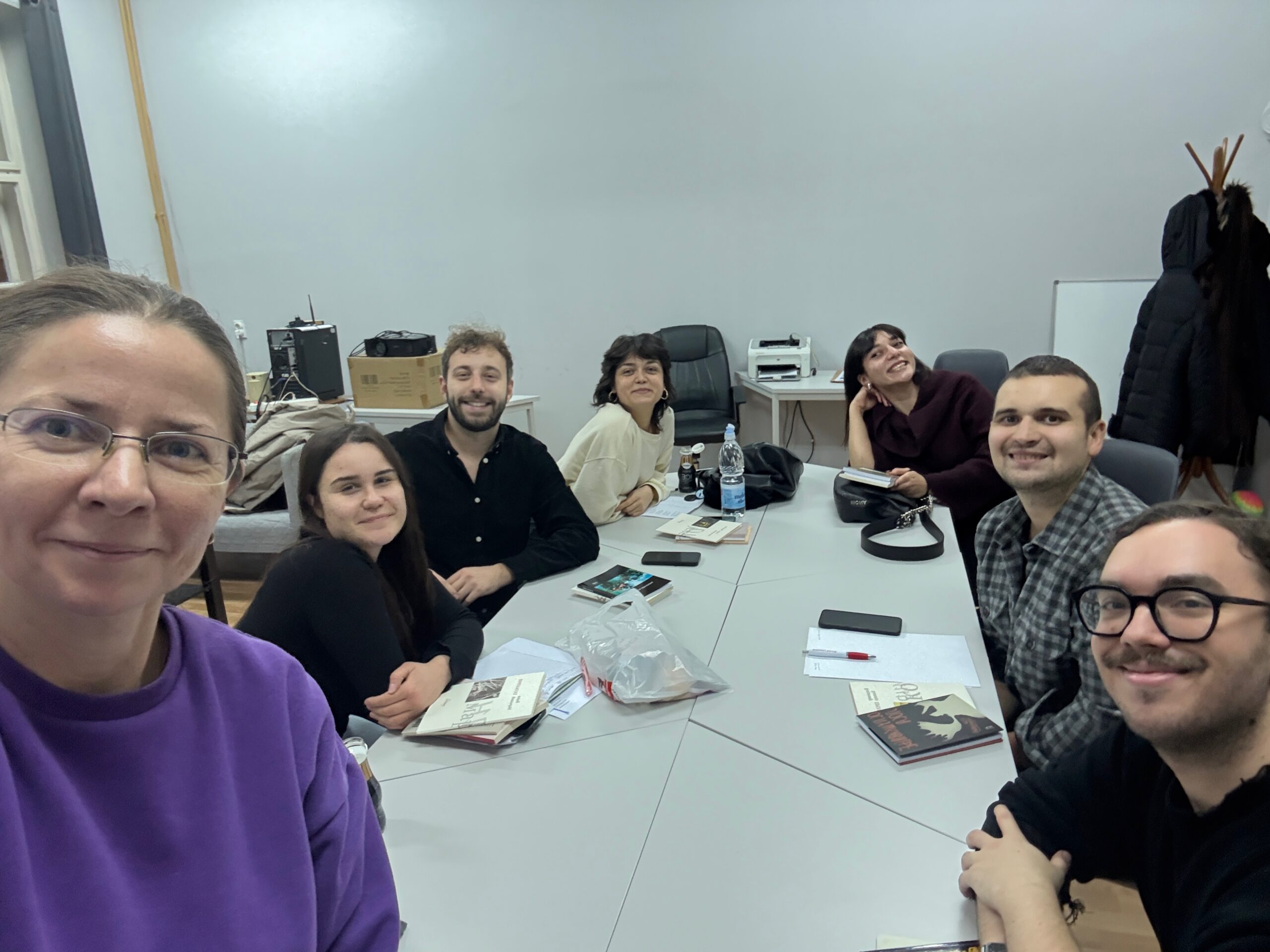
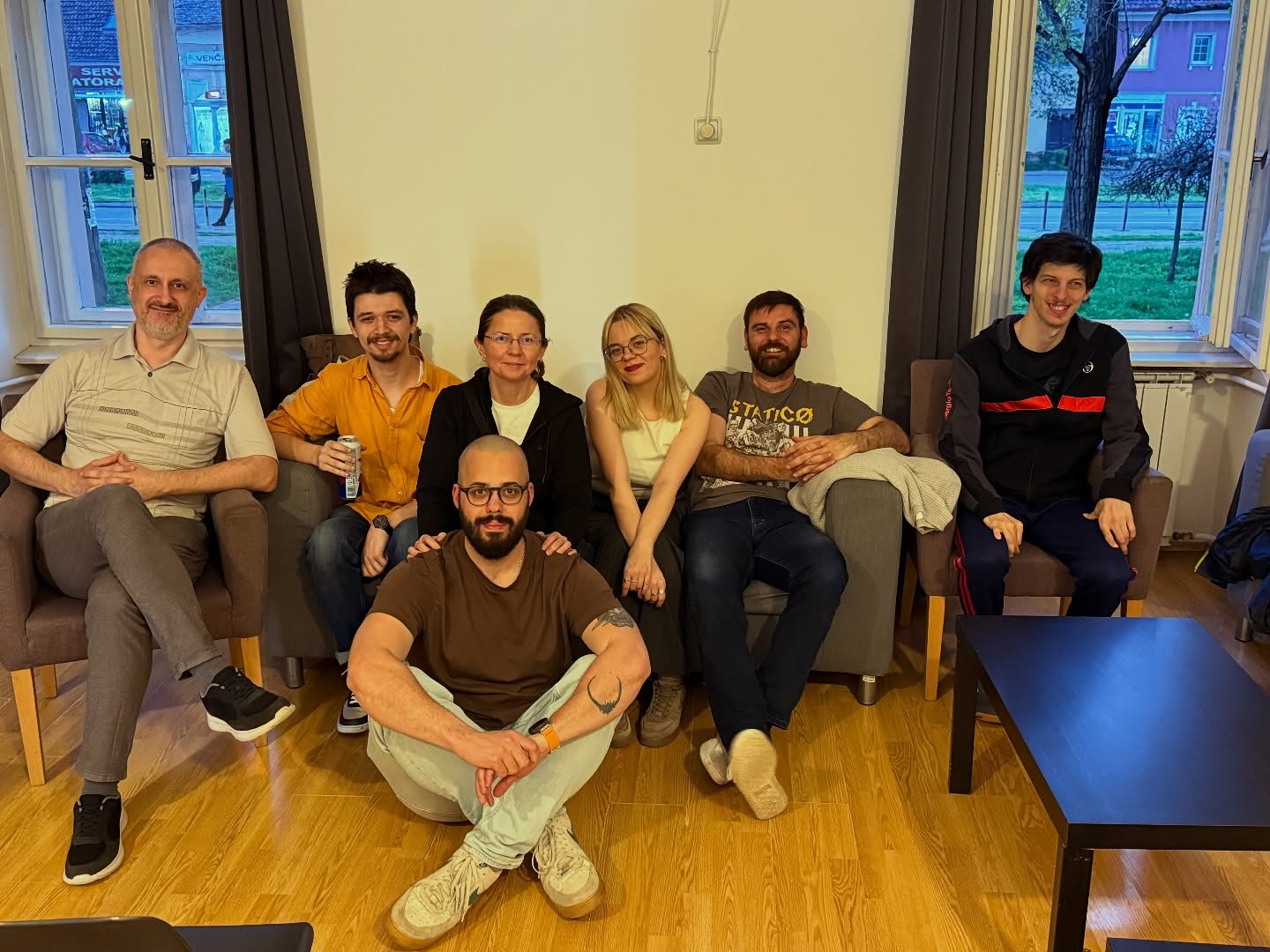
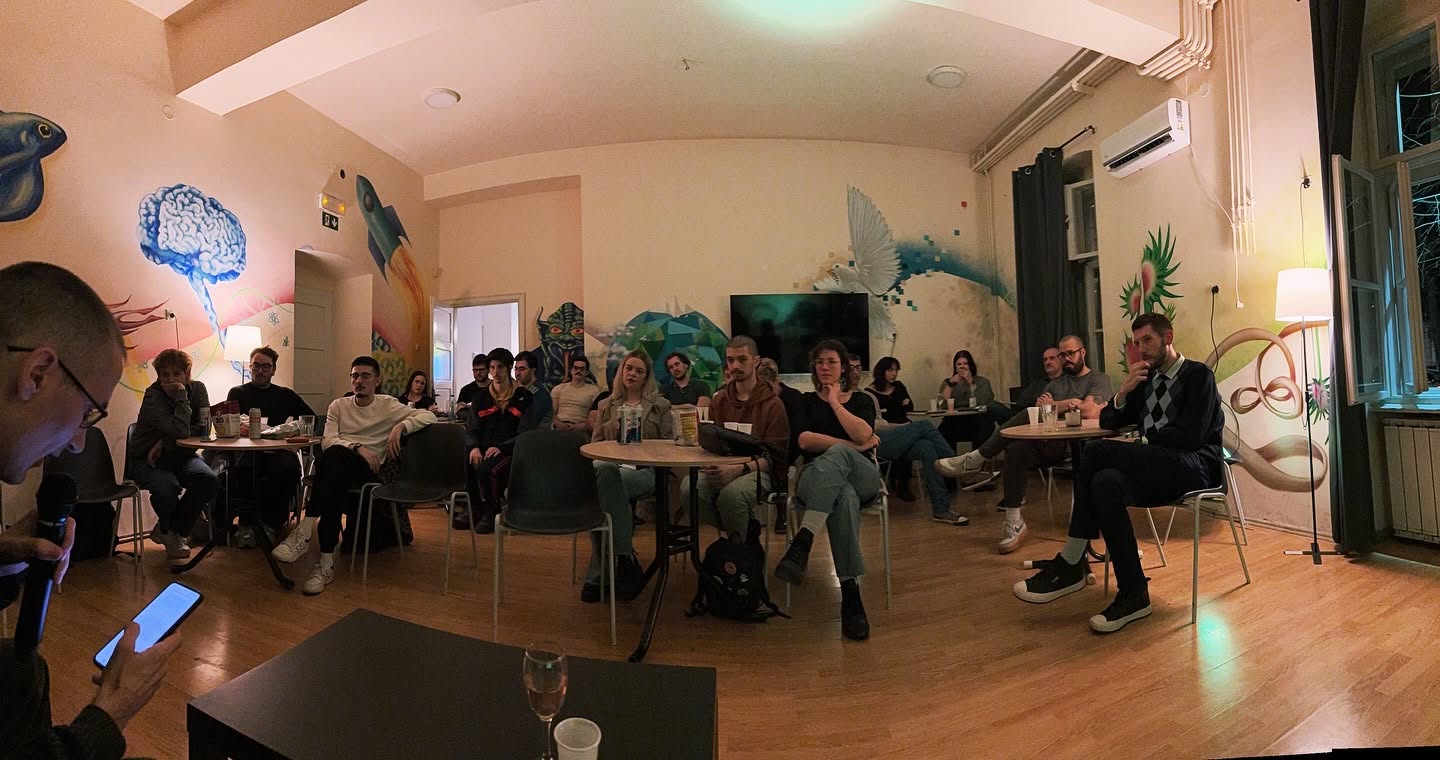
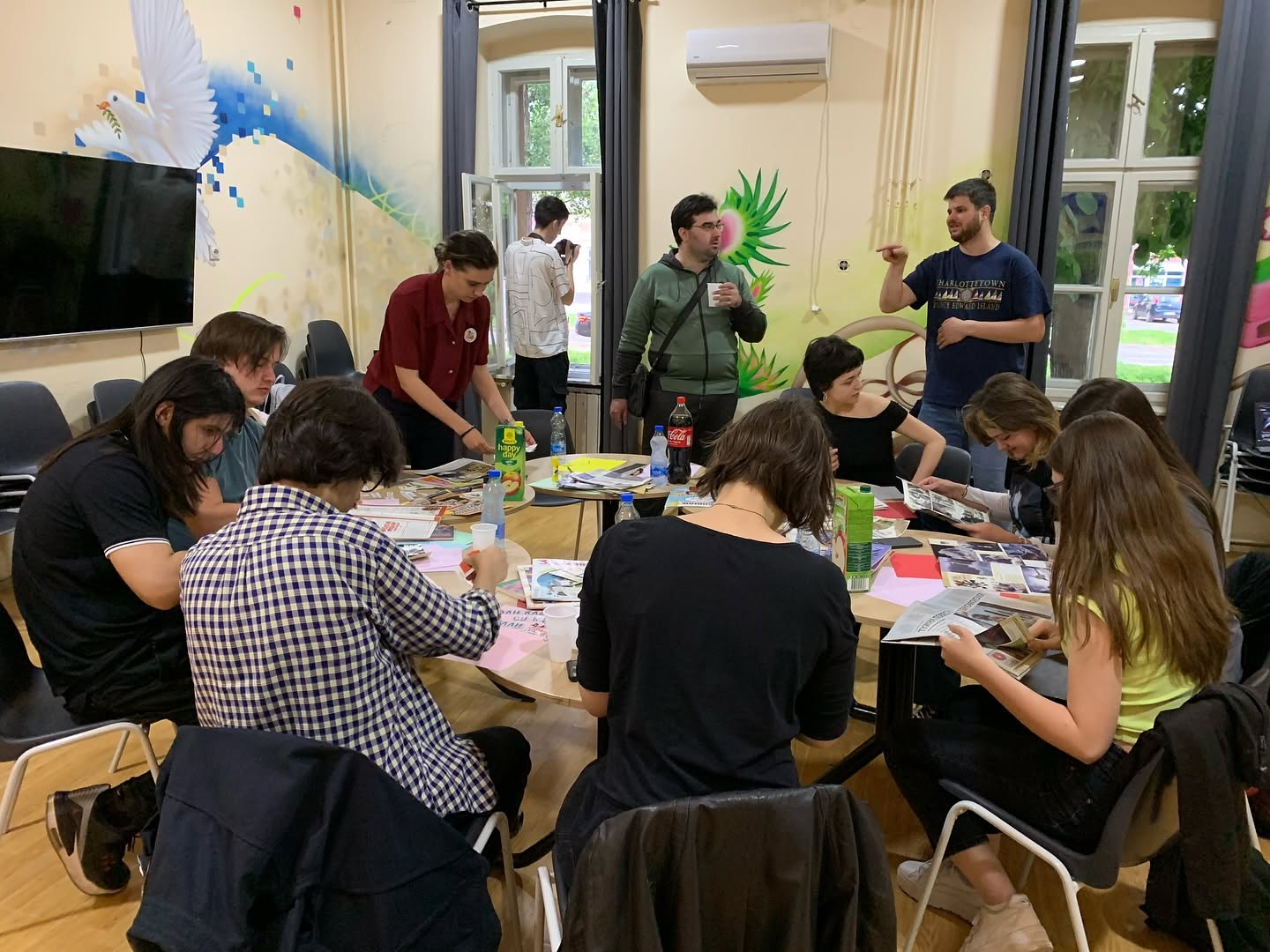
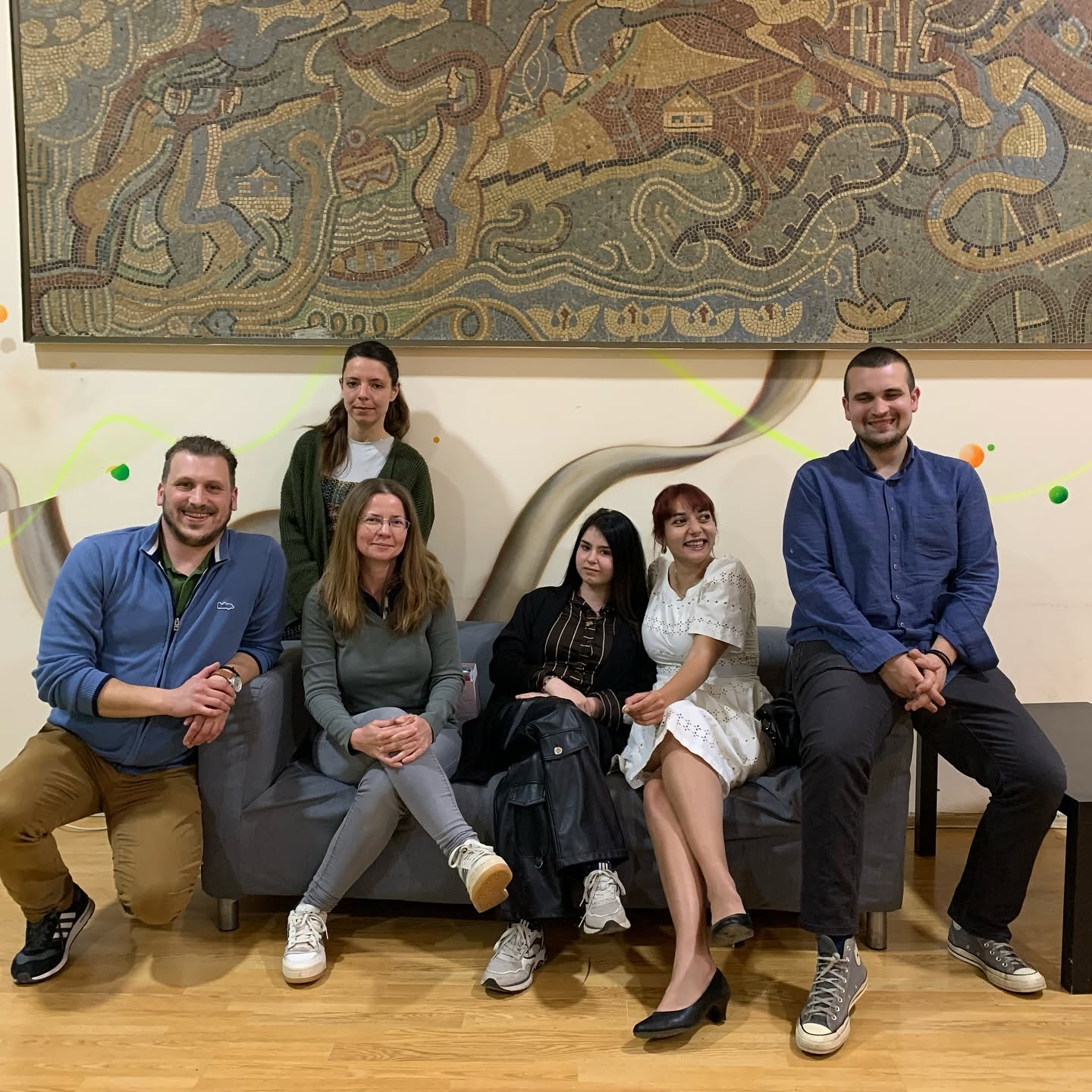
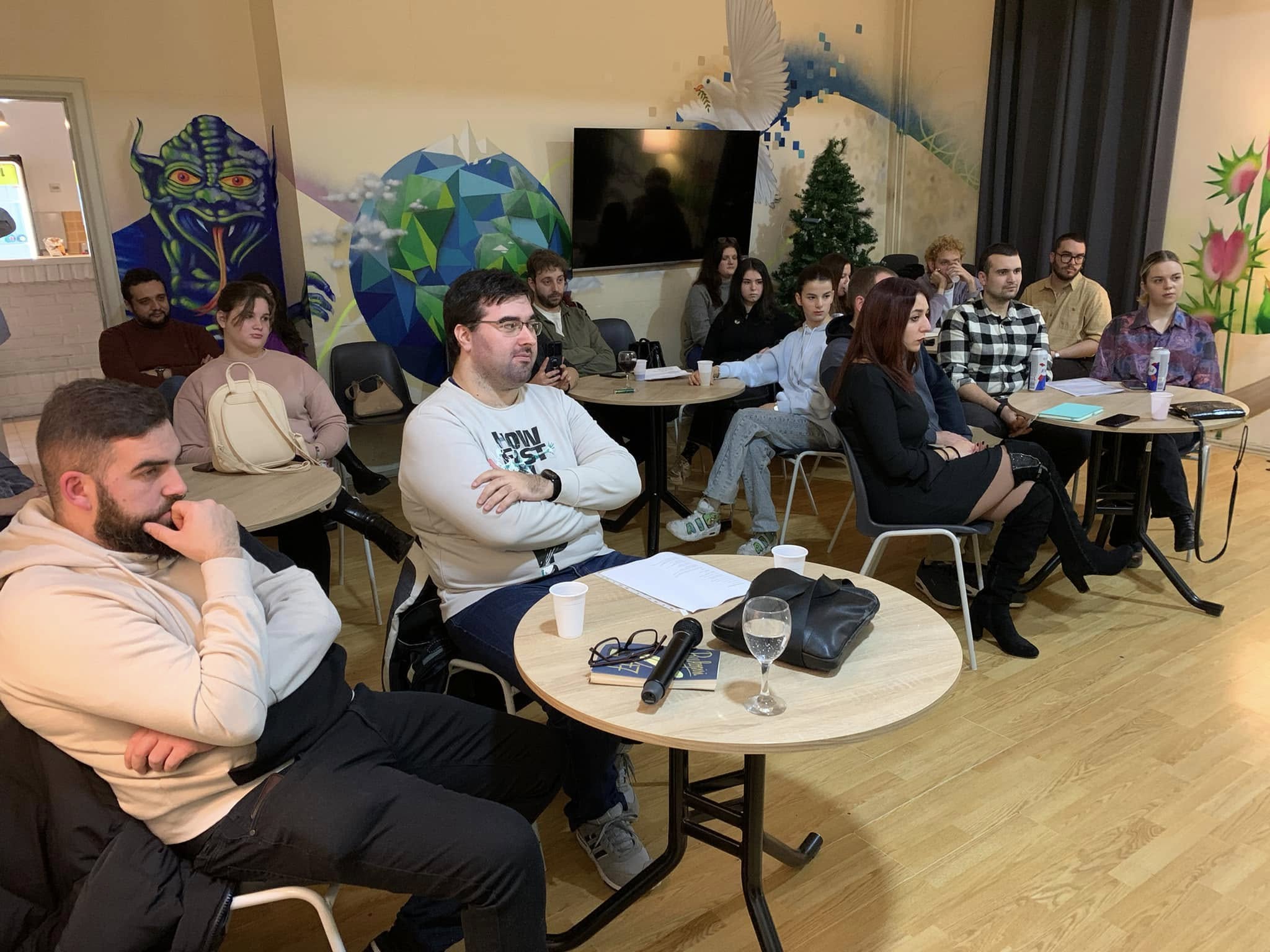
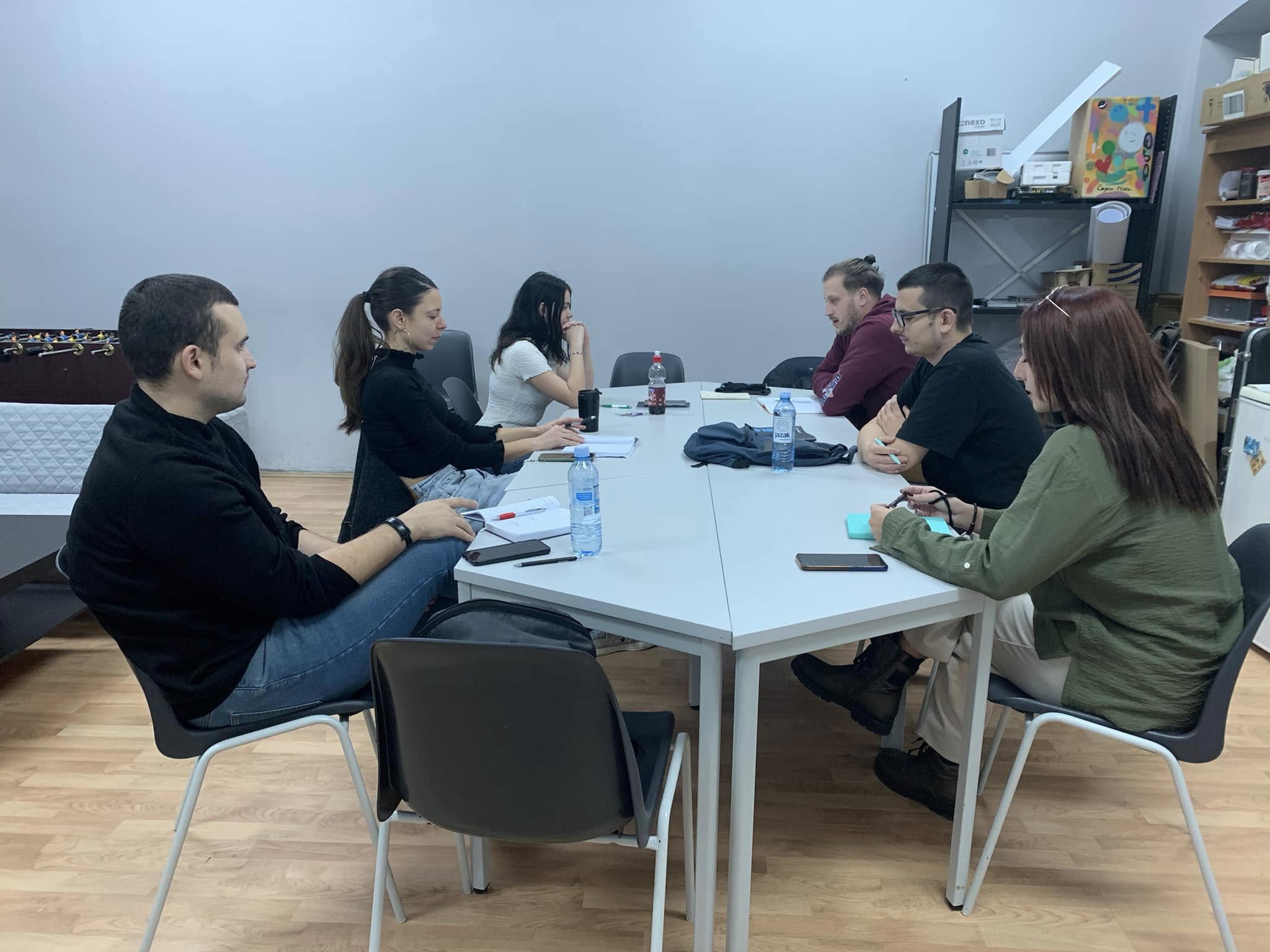
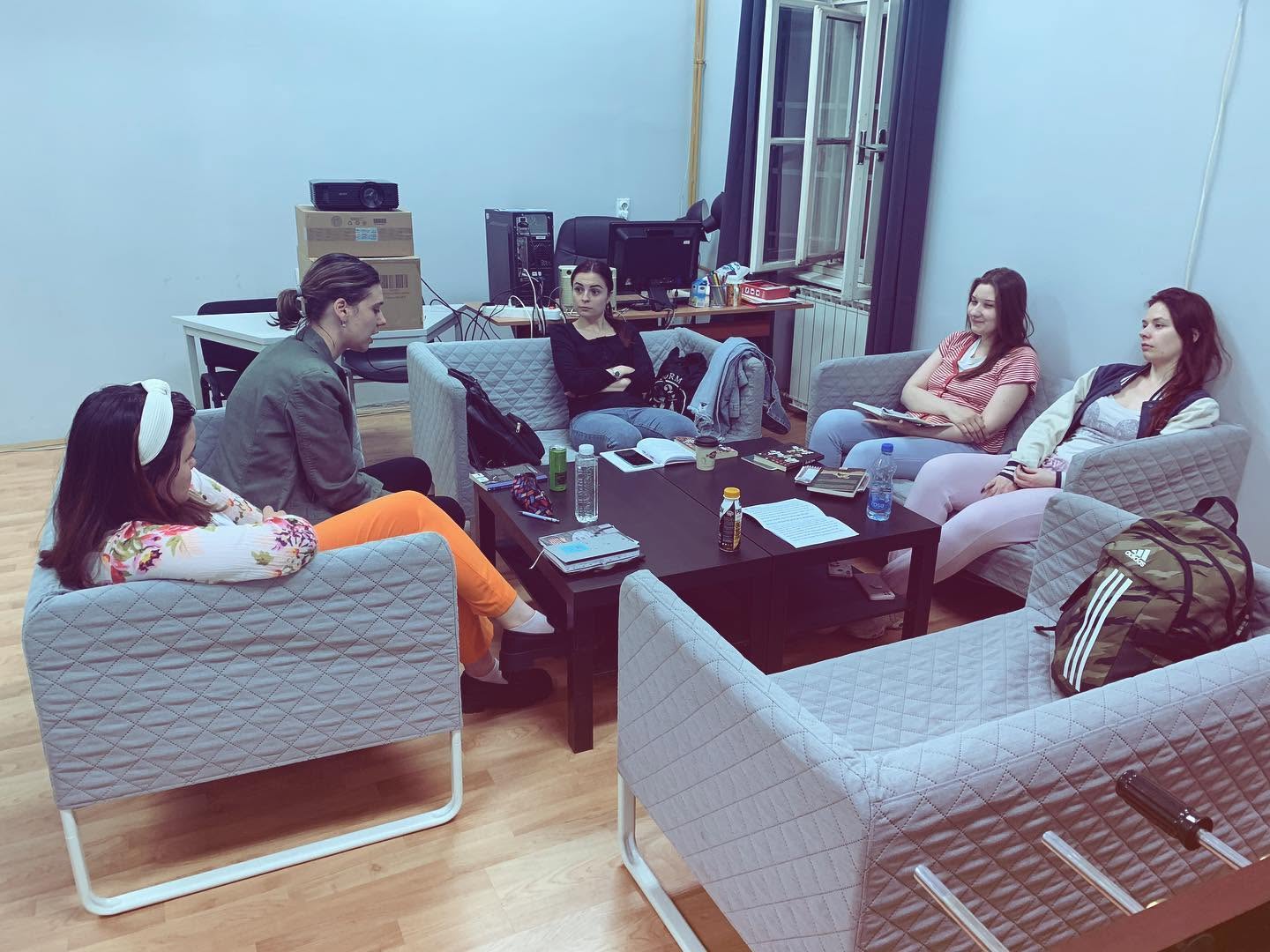
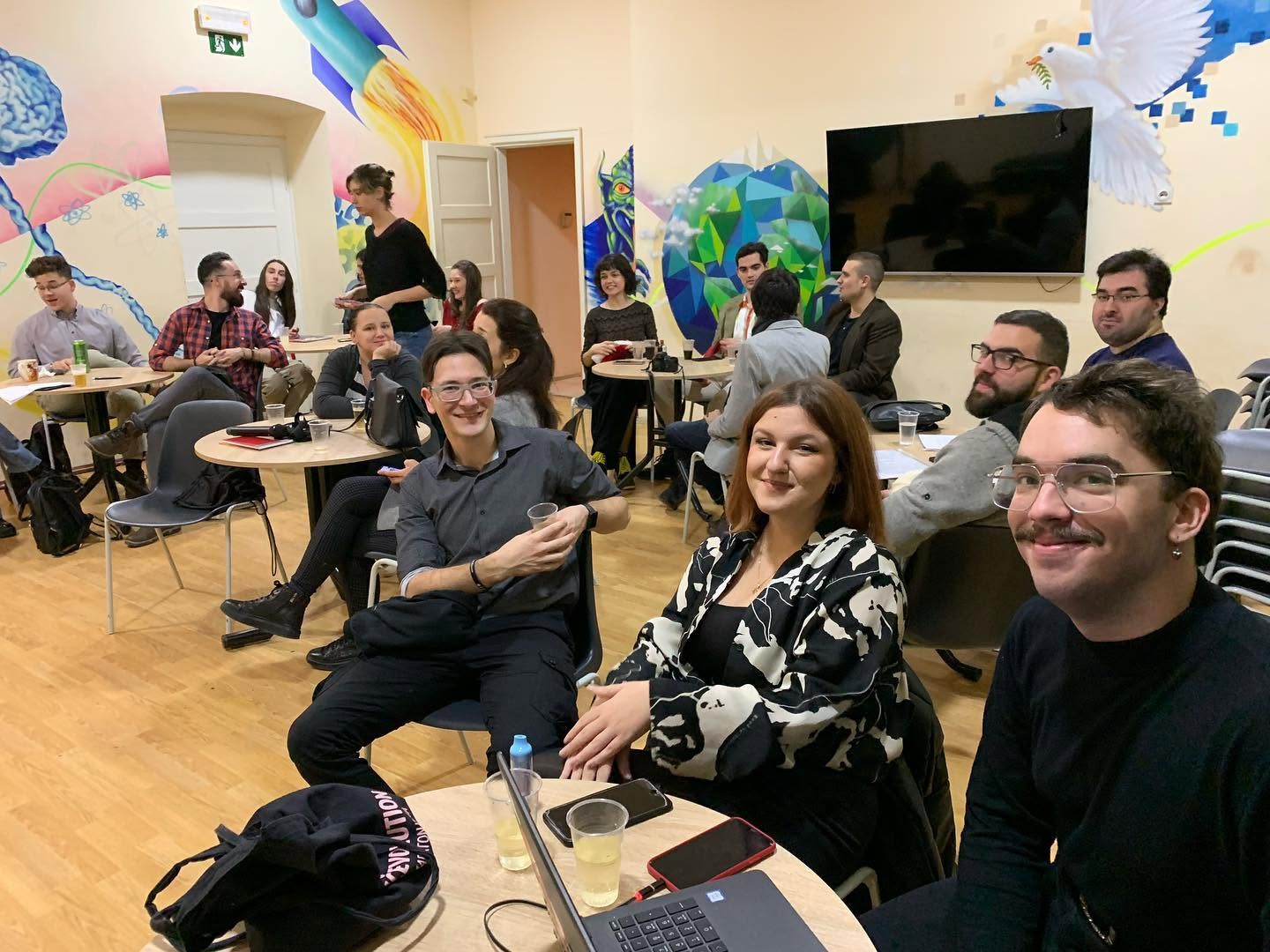
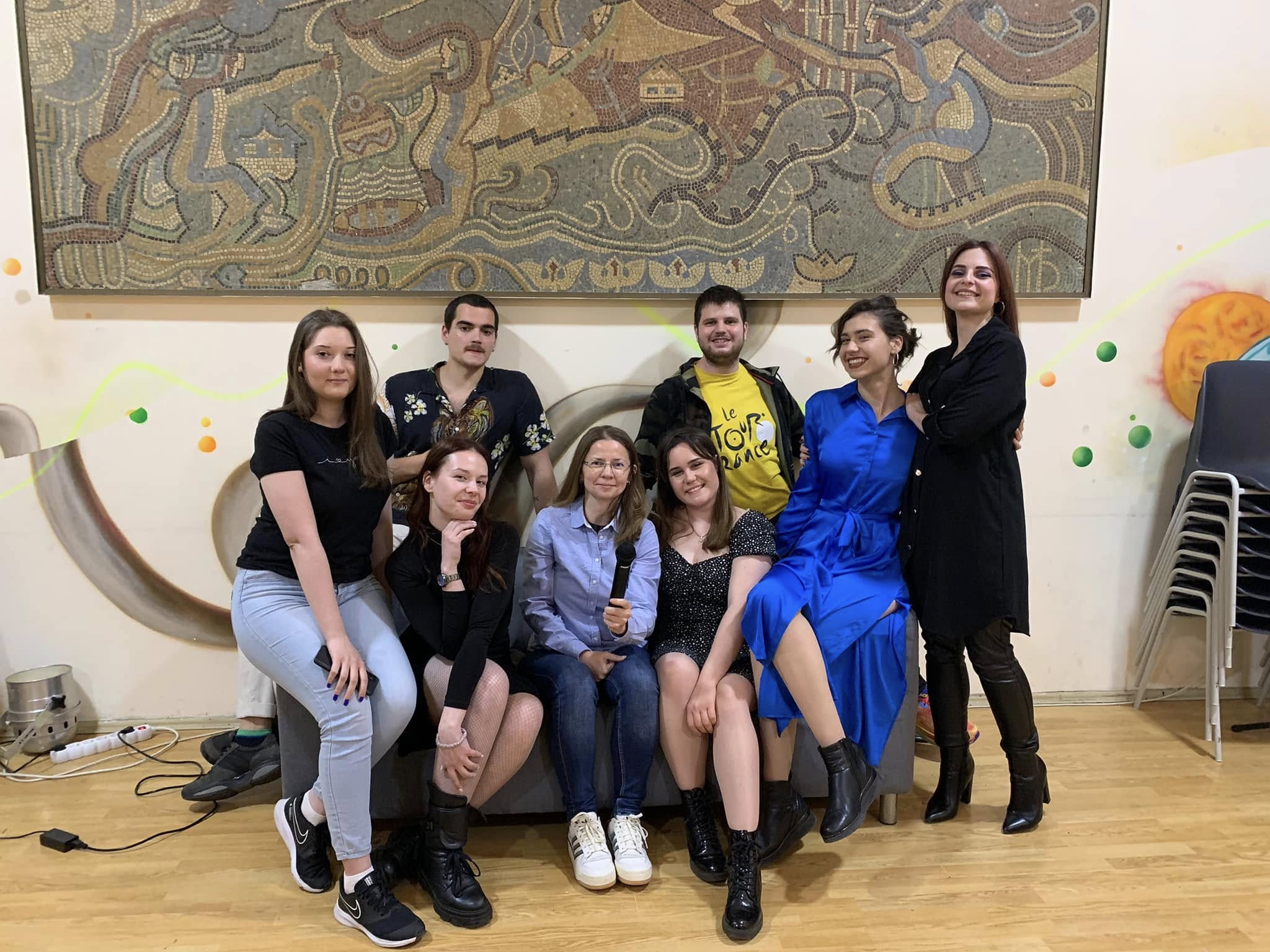
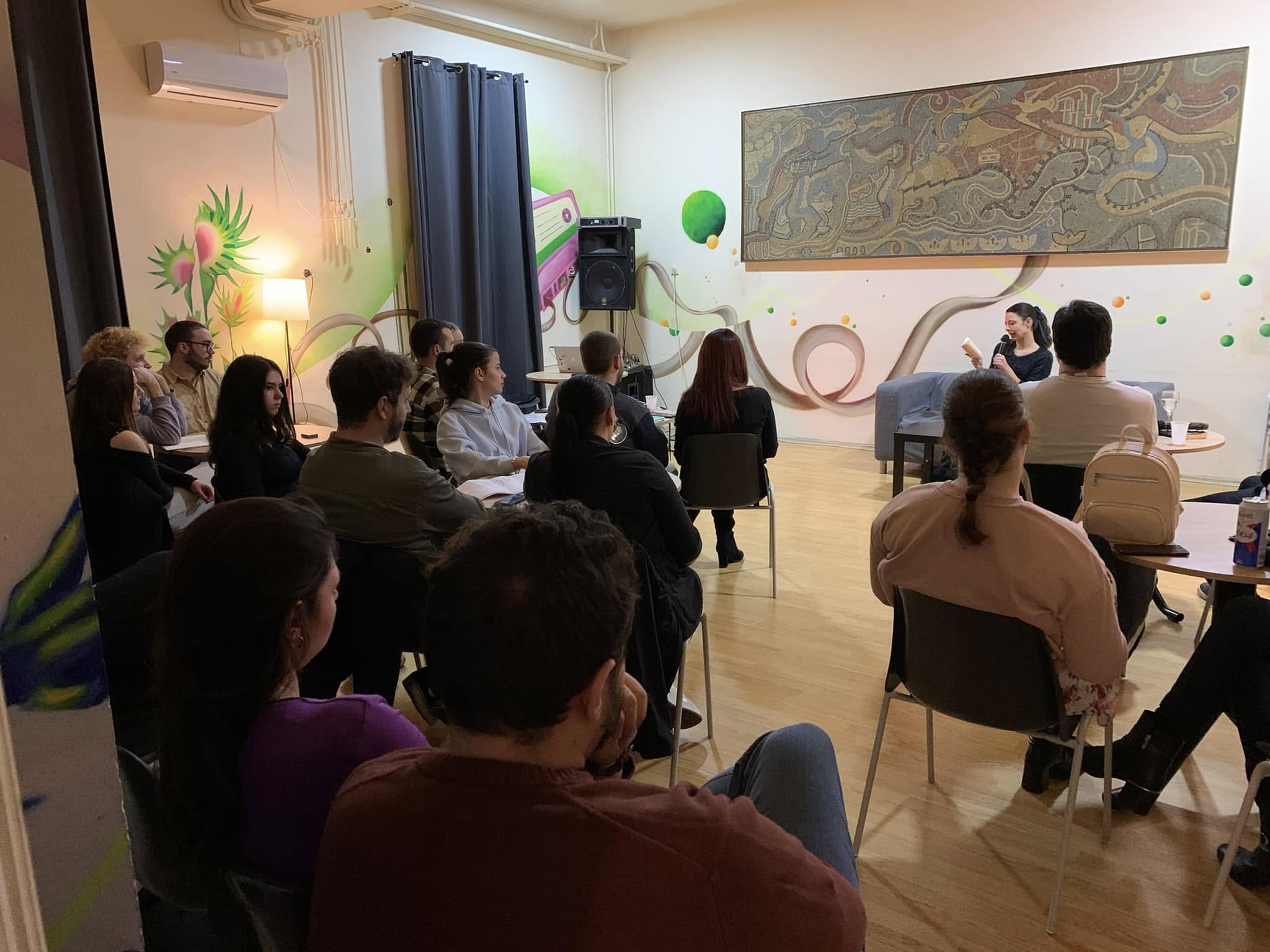
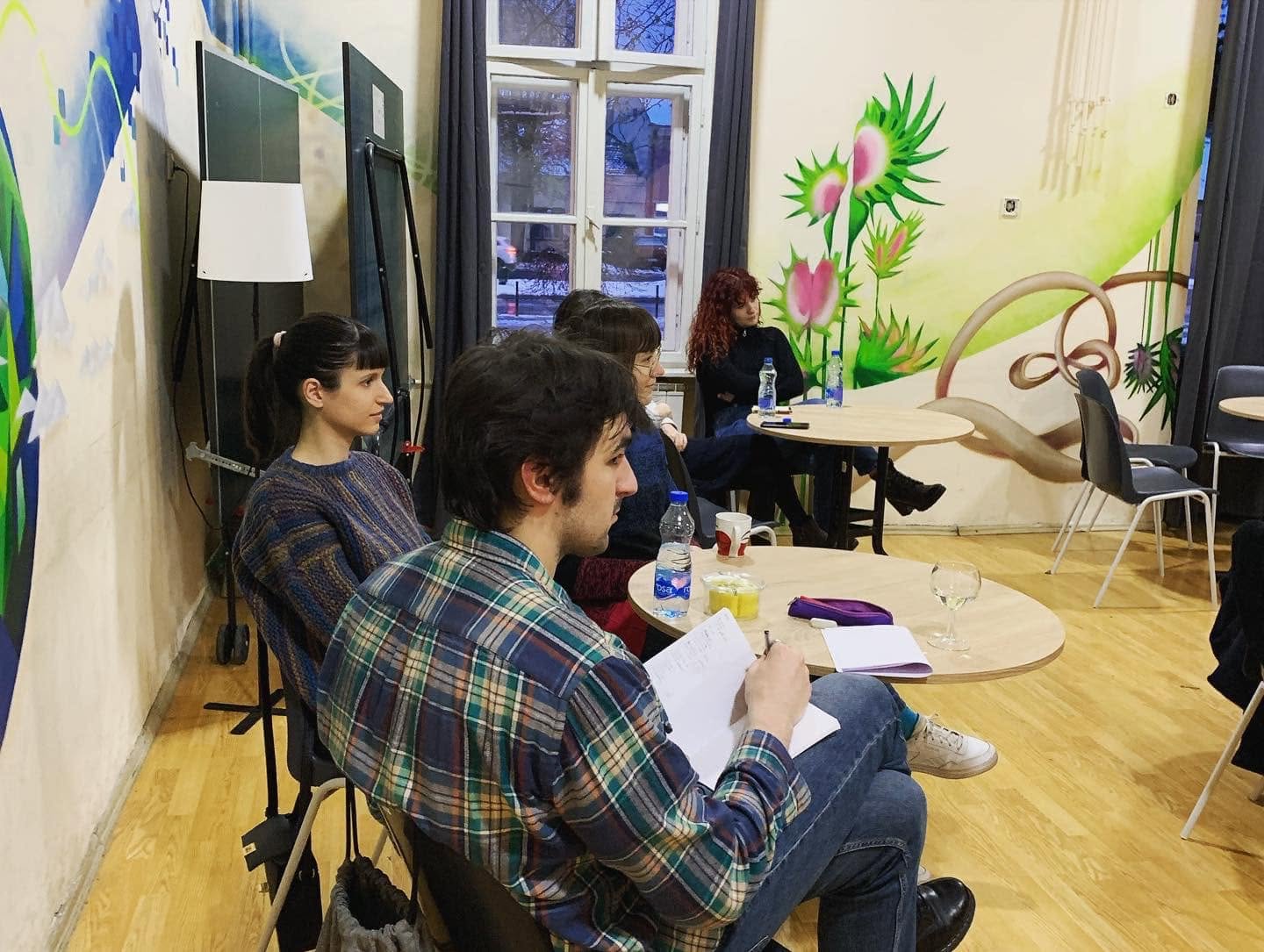
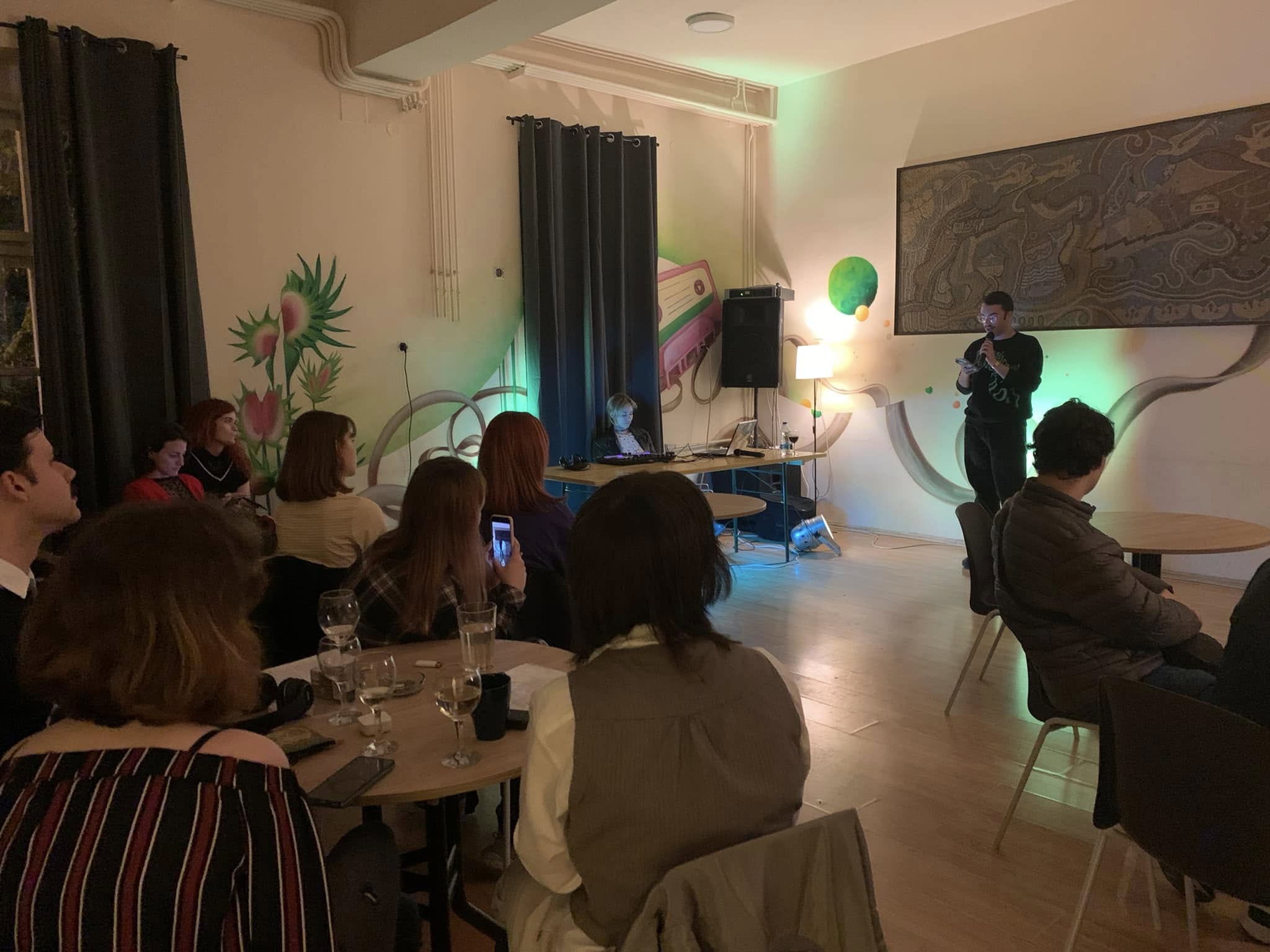
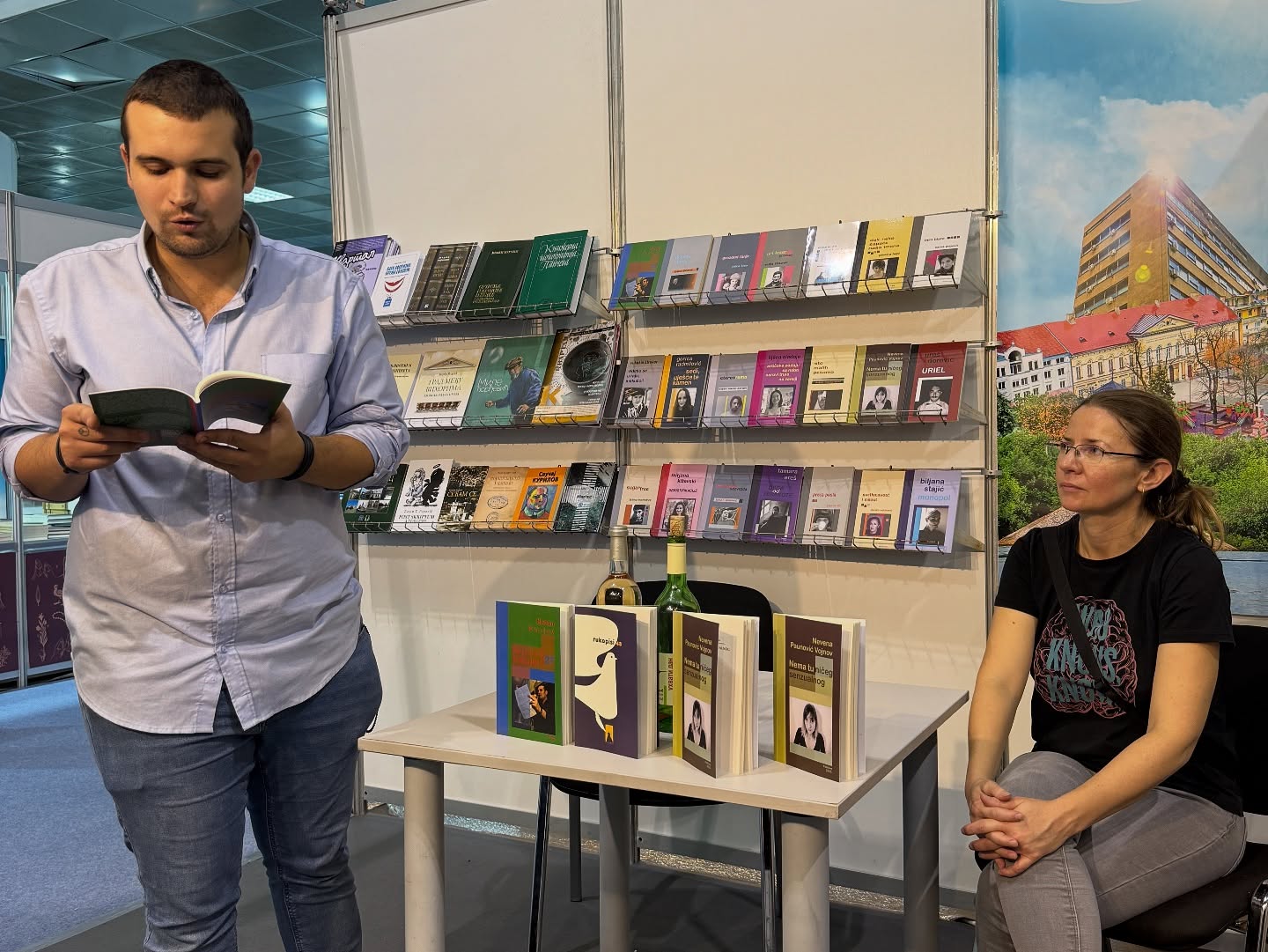
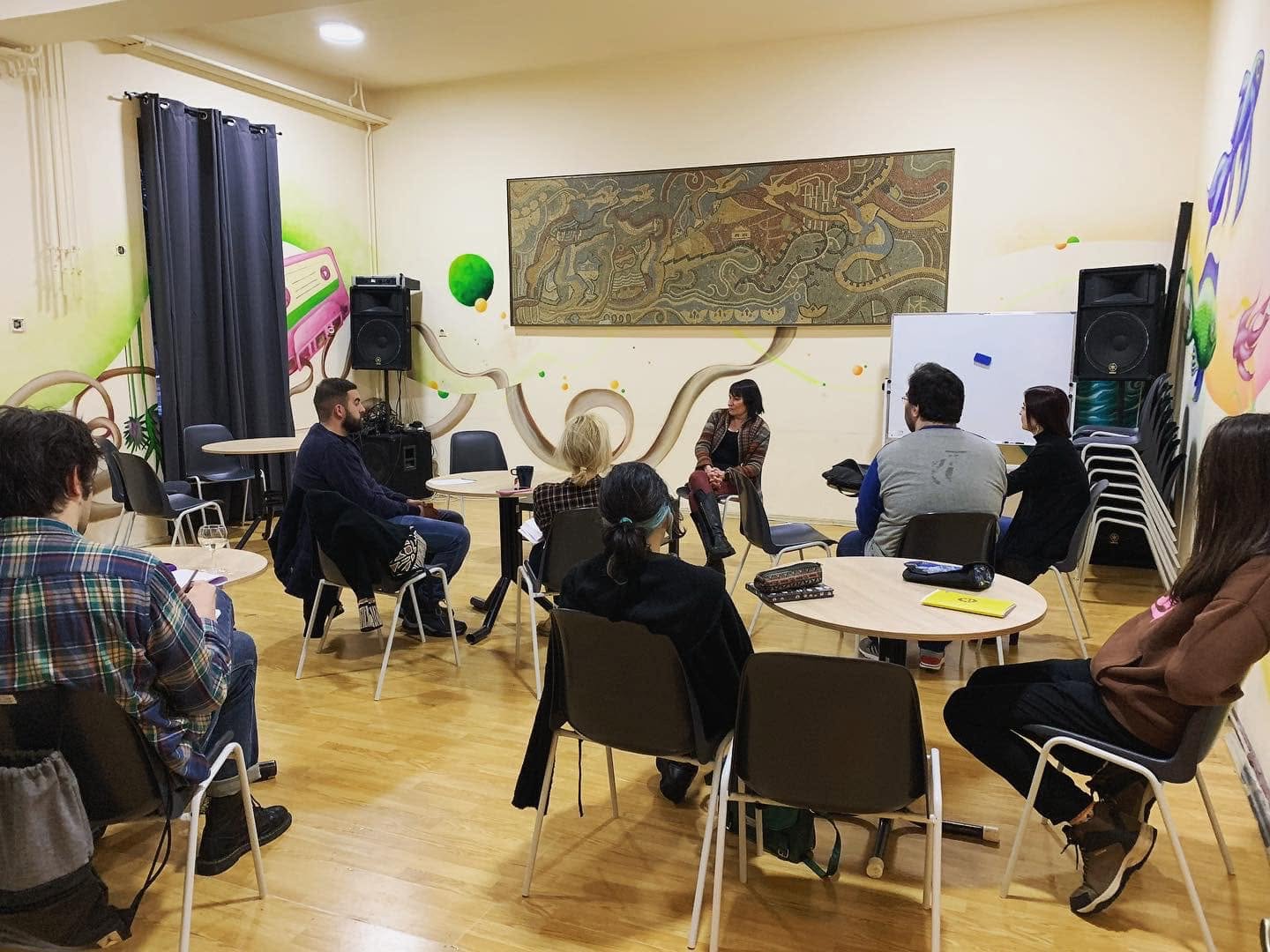
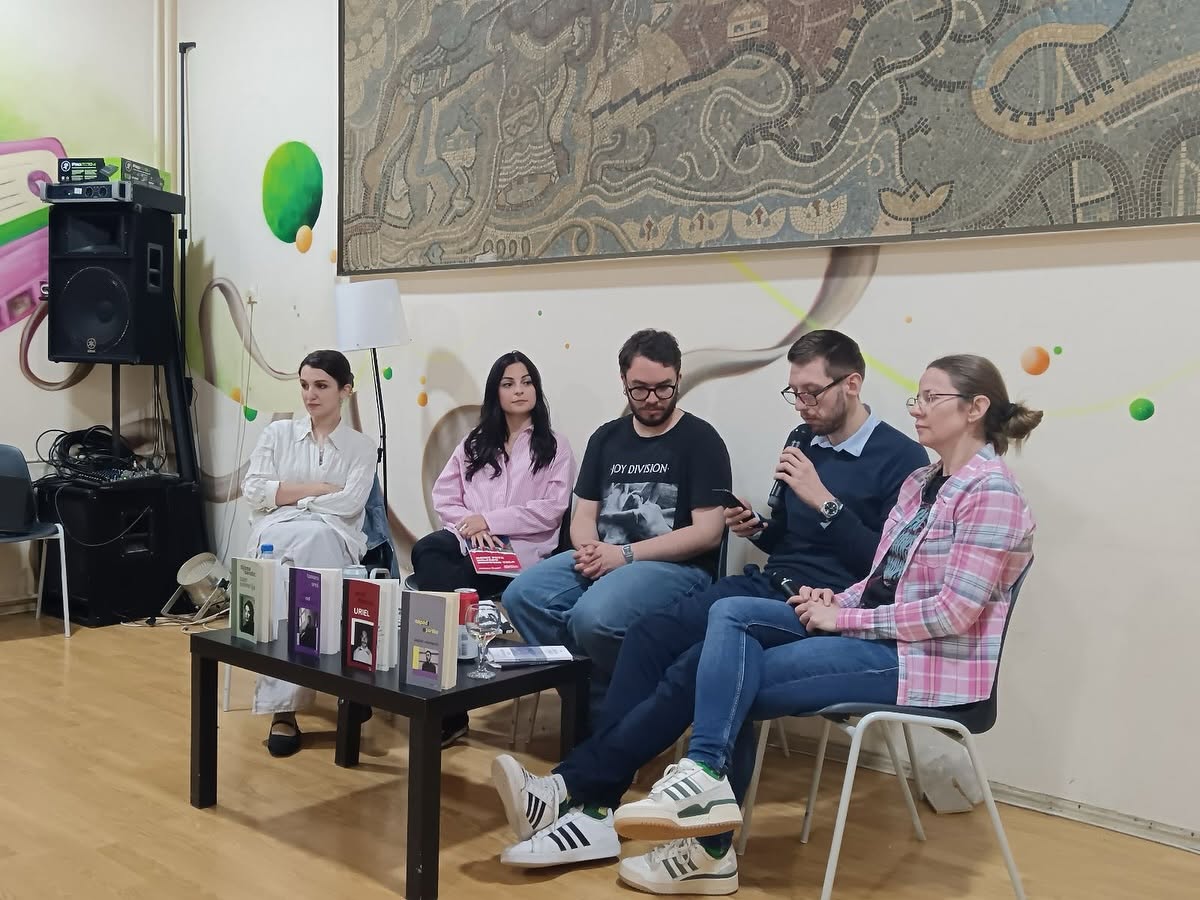
PICTURES FROM PREVIOUS CREATIVE WRITING WORKSHOPS
& other reading events connected with the program